July 9, 2026
If you want to understand Commerce, GA, skip the rush and spend time where the town still feels most like itself: historic downtown. Whether you are thinking about buying nearby, selling a home in the area, or simply getting to know the community better, downtown gives you a quick read on how people live, gather, and move through the city. From historic streets to everyday errands and local events, this guide will help you see downtown Commerce the way a local does. Let’s dive in.
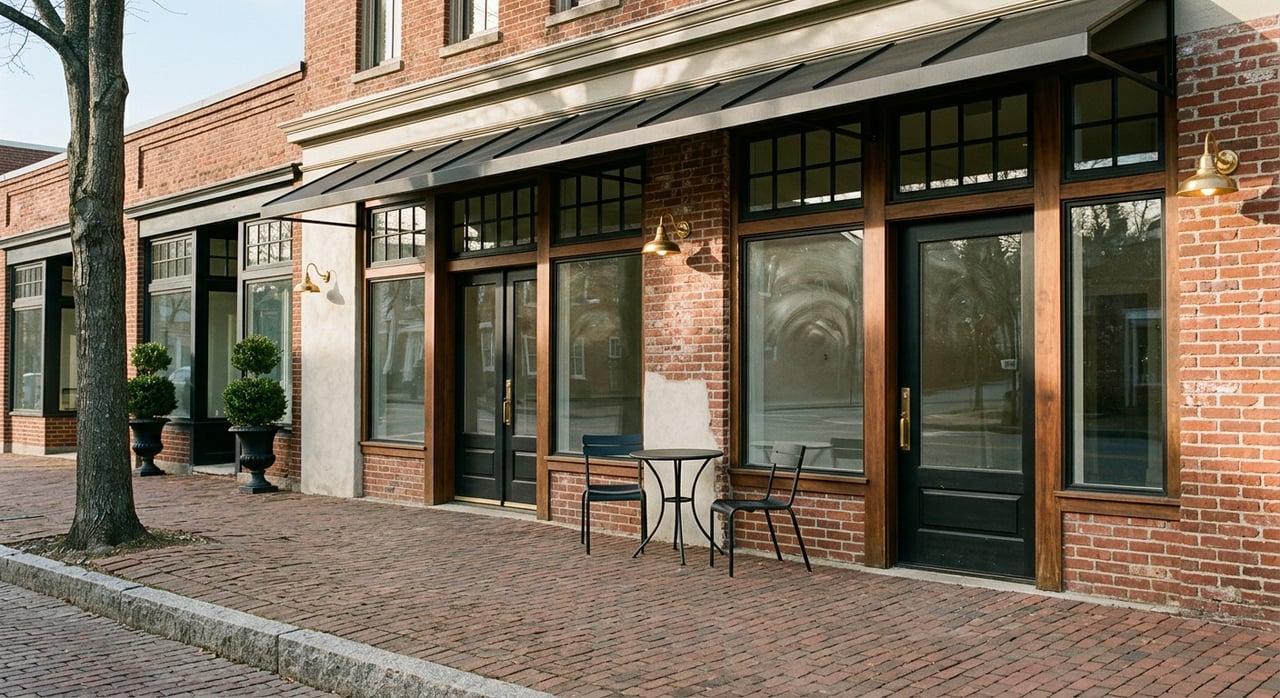
Historic downtown Commerce is not a themed shopping district or a polished tourist zone. It is a working city center with deep roots, local businesses, civic buildings, parks, and a layout shaped by the railroad that has run through downtown since 1876.
Commerce began as Harmony Grove in 1818 and was renamed Commerce in 1906 as trade and distribution grew. Today, the downtown core includes the Commerce Commercial Historic District, which was listed on the National Register in 1989 and includes buildings dating roughly from 1850 to 1938.
That history still shows up in the street pattern and building mix. The district is centered around Broad, Elm, Cherry, State, and Sycamore streets, while the city’s downtown project area also extends around streets like Short, Clayton, Piedmont, Madison, Spring, Victoria, and Homer.
The biggest surprise for many people is how practical downtown Commerce feels. This is not just a place to visit once a year for an event. It is a place where you can walk, grab a meal, browse a shop, meet business owners, stop by a park, and handle simple day-to-day errands.
The city describes downtown as a walkable area with tree-lined sidewalks, local shops, restaurants, parks, and pet-friendly spaces. That mix matters because it gives the area a steady rhythm beyond special occasions.
Most downtown restaurants are locally owned and operated, which adds to the neighborhood-scale feel. Instead of a chain-heavy commercial strip, you get a smaller, more personal mix of storefronts and service businesses.
A few local spots help define the character of downtown Commerce. These businesses are useful examples of the kinds of places that shape the area’s everyday appeal.
Taken together, these places show what downtown does well. It offers familiar, small-scale stops that fit naturally into daily life.
One reason downtown Commerce feels more livable than some historic cores is that green space is part of the experience. You are not only walking from one storefront to the next. You also have places to pause, gather, or spend time outdoors.
Spencer Park sits in the heart of historic downtown and includes a gazebo, a small playground, and a natural amphitheater. Just two blocks away, Willoughby Park offers a wooded setting and a dog park.
The broader city park system also includes American Veterans Memorial Park, which has ballfields, tennis courts, a pool, and a walking trail. For someone trying to picture everyday life nearby, that variety helps round out the downtown experience.
Downtown Commerce is also a community gathering place. The annual calendar helps bring people into the core throughout the year, which gives downtown more energy and visibility.
The city’s event lineup includes Downtown Beautification Day, Easter Celebration, Summer in the City, Cruisin’ Commerce, Fall Fest: Bands, Brews & BBQ, Hometown Holidays, Merry Makers Market, and the Christmas Parade. A city notice for Summer in the City highlighted live music, food vendors, family activities, and fireworks, which shows how active the downtown event scene remains.
That matters if you are evaluating the area as more than a map location. A downtown with recurring events often feels more connected to the people who live around it.
If you want to explore downtown Commerce like a local, keep it simple. You do not need a packed schedule to get a real sense of the area.
Start with a walk through the historic core and pay attention to the building styles, storefronts, and the railroad’s place in the layout. Then stop for a meal or drink, spend a few minutes in Spencer Park, and see how people use the space during a normal day.
If you enjoy local history, the Downtown Development Office offers a self-guided walking tour brochure that explains how Commerce developed over time. The city also identifies a formal Entertainment District that combines shopping, dining, and social spots in a walkable setting.
If you are thinking about buying a home near downtown Commerce, the appeal is not just historic charm. It is the combination of convenience, local identity, parks, and community activity in a compact area.
The city’s comprehensive plan describes downtown as a mixed-use core with retail and service businesses along with civic uses such as city hall, the post office, the library, the civic center, and the cultural center. The plan also allows upper-floor residential apartments in the central business district and prioritizes walkability, historic preservation, infill, and redevelopment.
That tells you something important about the area’s direction. Downtown Commerce is not frozen in time. It is an established district that is still being shaped through preservation and reinvestment.
Because the railroad remains central to the downtown pattern, living near the core may feel more tied to the movement and identity of a traditional rail town. For some buyers, that is part of the charm. For others, it is simply something to notice when deciding what kind of setting fits your lifestyle.
If you own a home near downtown Commerce, your location story should go beyond square footage and bedroom count. Buyers often respond to the experience of a place, especially when a home is close to a true small-town center.
You can highlight proximity to local shops, dining, parks, and year-round events, along with the area’s historic character and walkable feel. Those details help buyers picture daily life, not just the house itself.
It is also worth noting that the city sees downtown as a place for continued revitalization. The comprehensive plan points to opportunities for more foot traffic, more lodging, a broader restaurant mix, and attention to older structures, all of which support the idea of an area still evolving.
For sellers, that can be a useful part of the conversation. Buyers are often drawn to places that already have identity but still show signs of momentum.
One of the most honest things you can say about historic downtown Commerce is that it feels established and in progress at the same time. It has preserved buildings, a recognizable historic core, and a strong local identity, but it is not a finished product.
That is part of what gives it appeal. The area offers history, convenience, and community activity while still leaving room for thoughtful growth and reinvestment.
If you are buying, that can mean a chance to live near a downtown with character and civic energy. If you are selling, it can mean your home benefits from being near one of the clearest lifestyle anchors in Commerce.
When you want a clear, local perspective on how downtown Commerce shapes home value and buyer interest, Nichole Pankevich can help you position your next move with confidence.
Stay up to date on the latest real estate trends.





Experience thoughtful guidance and a relationship-first approach from start to finish.