May 28, 2026
If you price your Winder home based on hope instead of hard numbers, you can lose time, leverage, and money. That is frustrating when your goal is simple: sell with confidence and move forward. The good news is that Winder’s market gives you enough data to price smart if you focus on the right signals. Let’s break down how to price your home to sell well in Winder.
Winder homes are still selling, but buyers are taking time to compare options. Recent market reports show median days on market in the range of about 48 to 58 days, depending on the source, and sale-to-list figures point to buyers paying close to asking when a home is priced well.
That makes your first price especially important. In March 2026, reported figures included a median sale price of $341,000, an average home value of $344,473, and a median listing price of $369,900. Those numbers do not mean your home fits neatly into a citywide average. They show that pricing needs to be based on local evidence, not guesswork.
Another factor is inventory. Realtor.com reported 480 homes for sale in Winder in March 2026, up 18.18% year over year. When buyers have more choices, they notice overpricing faster.
The best pricing conversation starts with comparable homes, often called comps. A strong comp is not just any home in Barrow County or any property with a similar bedroom count. It should be a recent sale, pending home, or active listing that closely matches your home’s type, size, condition, and location.
That matters in Winder because housing is still heavily made up of detached single-family homes. The city’s comprehensive plan reported 6,911 housing units as of 2021, with most of the stock being single-family detached, and Barrow County reported that 84.3% of county housing is detached single-family. In a market with many similar-looking homes, small differences can change value.
A useful comp usually matches your home in several ways:
If your home has a renovated kitchen, newer systems, or a more updated interior, those details may justify a higher price than a nearby sale. If it needs repairs or feels dated, the opposite is often true.
Not every part of Winder performs the same way at the same time. Buyers often compare homes within a narrow search area and price band. That means a broad county average can miss what is happening where your property actually competes.
Winder and Barrow County have also grown steadily. Census QuickFacts put Winder at 20,628 residents in 2024, up from 18,338 in 2020, while Barrow County reached 96,294, up from 83,505 in 2020. Growth supports demand, but it does not replace the need for accurate neighborhood-level pricing.
It is tempting to start with a single online estimate and call it your price. The problem is that automated tools cannot fully measure layout, upkeep, updates, curb appeal, or the way buyers react to your home in person.
A pricing strategy built only on an estimate or a broad market average can miss the real position of your home. National pricing guidance supports using recent, local, property-specific comparisons because size, condition, location, and market context all affect value. In plain terms, your home should be priced against what buyers are actually choosing between right now.
Pricing and presentation work together. If your home is clean, decluttered, and easy to show, buyers are more likely to see value at your target price. If the home feels tired or crowded, buyers may expect a discount even if your square footage looks competitive on paper.
Recent staging data shows why this matters. In NAR’s 2025 staging report, 29% of agents said staging increased the dollar value offered by 1% to 10%, and 49% said staging reduced time on market. The most common recommendations were simple: decluttering, cleaning, and improving curb appeal.
Not every project adds equal value, but buyers do respond to visible improvements. Common pricing adjustments often come from:
That does not mean you need a full remodel before you sell. It means your asking price should reflect your home’s current condition as honestly as possible.
Many sellers want to leave room to negotiate. That sounds safe, but overpricing often backfires. When your home starts too high, buyers may skip it, wait for a reduction, or compare it unfavorably against better-positioned listings.
This matters even more in a market where buyers have options. Realtor.com identified overpricing as a leading cause of stale listings, and broader market data show a clear pattern: the longer a home sits, the larger the eventual discount tends to be. Homes that sold in 0 to 14 days saw an average 4.9% reduction from list to close, while homes that took more than 120 days saw an average 13.5% reduction.
A home that lingers on the market can trigger buyer questions such as:
Once that happens, you may lose the momentum that comes from being a fresh listing. In many cases, a sharper initial price protects your final outcome better than a high starting point followed by multiple reductions.
Your price also has to make sense for today’s financing environment. Freddie Mac reported a 30-year fixed mortgage rate of 6.51% on May 21, 2026, up from 6.36% a week earlier. Higher rates can reduce what buyers feel comfortable paying each month.
For sellers, that means pricing should reflect monthly affordability, not just your target number. In a higher-rate environment, a slightly tighter asking price can attract more serious buyers and help your home compete more effectively.
Your best list price depends partly on your goal. If speed matters because you are relocating, buying another home, handling an estate, or downsizing on a timeline, pricing closer to the most competitive part of the market can make sense. If you have more flexibility, you may test the top of a supportable range, but it still needs to be grounded in comps.
The key word is supportable. Buyers, appraisers, and lenders all look for evidence. A price that cannot be supported by recent comparable sales can create trouble even after you get under contract.
An aggressive price does not just affect showings. It can also affect financing. If the appraisal comes in below the contract price, that is a sign the agreed price was above market value.
When that happens, buyers may ask for a price reduction or walk away. For you as a seller, that means an unrealistic list price can create friction twice: first in attracting offers, and then in holding the deal together.
If you want to sell well in Winder, a smart pricing process usually looks like this:
This approach fits the current Winder market. Homes are moving, but not instantly, and buyers are comparison shopping. The right price gives your listing a better chance to stand out early.
Winder is not a market for random pricing or wishful thinking. With homes taking several weeks to go pending and inventory up year over year, buyers can afford to be selective. That is why the homes that sell well are usually the ones priced from real local comps, adjusted for condition, and positioned correctly from the start.
If you want strong interest, fewer pricing missteps, and a smoother path to closing, your list price should be based on what buyers can support right now. That is how you protect both your timeline and your bottom line.
When you are ready for a pricing strategy built around your home, your timeline, and real Winder market data, reach out to Nichole Pankevich for a seller-focused plan.
Stay up to date on the latest real estate trends.
Selling
Planning to sell your Jefferson, GA home? REALTOR® Nichole Pankevich, who has sold more than 30 homes in Jefferson, shares pricing insight and marketing strategy for J… Read more
Buying
Thinking about buying a home in Jefferson, GA? Local REALTOR® Nichole Pankevich shares what to know about Jefferson City Schools, neighborhoods, and the Jackson County… Read more
Community Spotlights
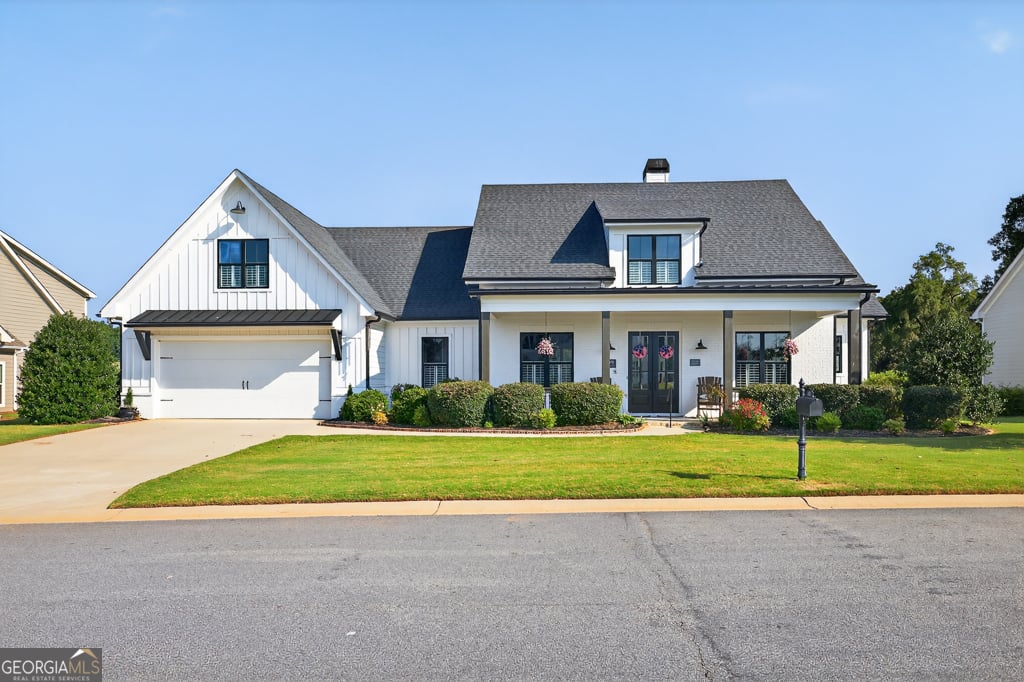
What to know about home values, marketing, and standing out in this Homer, GA golf course community
Community Spotlights
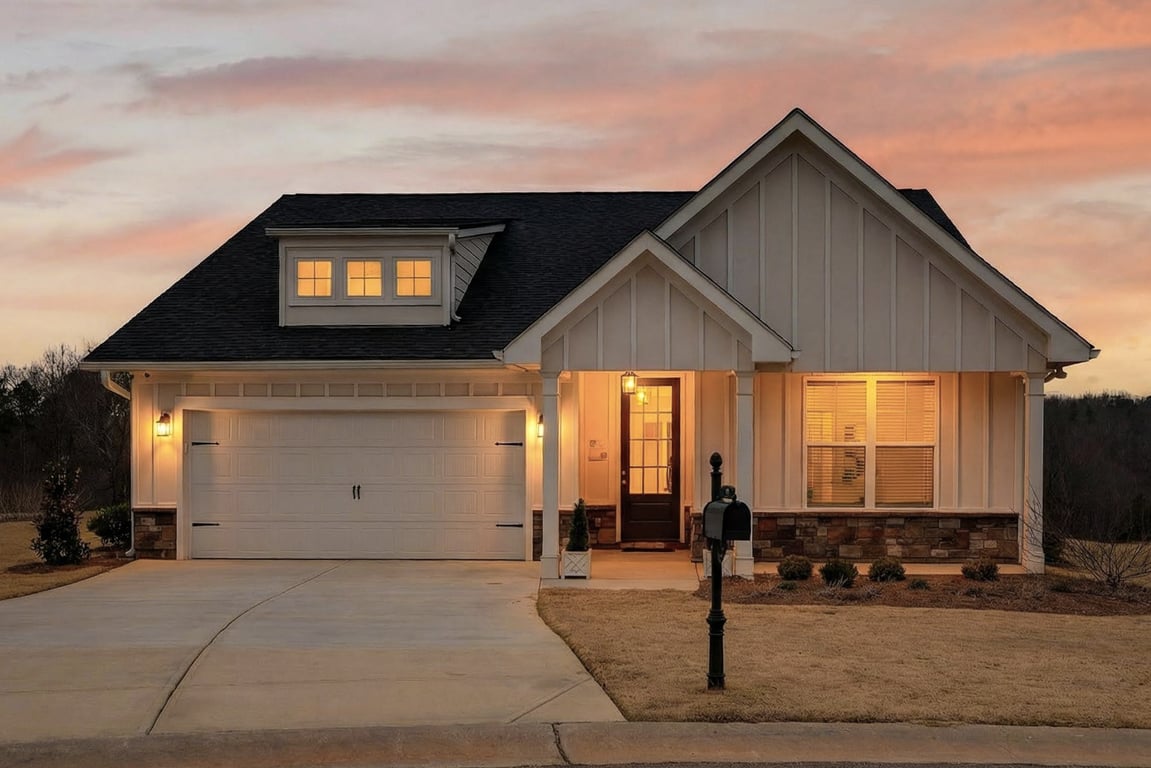
What to know about golf course living, home prices, and small-town value in Banks County
Experience thoughtful guidance and a relationship-first approach from start to finish.