Thinking about selling your home in Commerce, GA, but not sure where to start? You are not alone. Between pricing, prep, and paperwork, the process can feel like a lot. In this guide, you will learn how the local market works, how to price with confidence, and what steps help you sell faster and for more. Let’s dive in.
How the Commerce market works
Commerce sits along Interstate 85 in Jackson County, which gives your listing broader regional reach. Many buyers commute to jobs along I-85 or shop and work near the outlets and business hubs. This regional access can raise interest beyond the city limits.
Local amenities also matter. The Tanger Outlets Commerce draws steady visitors and retail employees, which can support demand for nearby homes and rentals. If your property’s location makes daily tasks easy, call that out in your marketing.
Typical buyer segments you may see include:
- Commuters working along the I-85 corridor.
- Retail and service employees, including those tied to the outlet center.
- First-time buyers looking for relative affordability compared to larger metros.
- Investors, especially where rental demand and condition support the numbers.
Seasonality plays a role. Spring often sees more activity in Georgia, though local patterns vary. Before you set timing, review the last 12 months of closed sales and days on market at the city or zip code level.
Price it right with local comps
Accurate pricing starts with a tight set of comparable sales. Reliable sources include:
- The local Multiple Listing Service (agents access recent solds, pendings, and actives). You can learn more about MLS access through the public site for Georgia MLS.
- Jackson County parcel and tax records on the Jackson County government site.
- Public portals are useful for early research, but confirm numbers against MLS or county records before making decisions.
When you or your agent build a comparative market analysis, focus on:
- Sold homes in the last 3 to 6 months within your subdivision or a tight radius.
- Key differences such as square footage, beds and baths, lot size, age and updates, parking, outbuildings, and location factors like a busy road or corner lot.
- Market signals, including days on market, list-to-sale price ratios, inventory, and competing active listings.
Local adjustments that often matter in Commerce:
- Proximity to I-85 can be a plus for commute convenience, but very close lots may experience more noise. Balance this in your pricing and marketing.
- Nearness to Tanger Outlets Commerce can be a lifestyle selling point. For homes immediately adjacent, traffic patterns should be considered.
- City limits versus unincorporated county. City utilities and sidewalks may increase appeal for some buyers, while well and septic in rural settings can be attractive to others. Utility type often affects price and financing.
- Flood zones and topography. If your property falls in a FEMA flood zone, expect buyer questions and possible insurance requirements. Check your status at the FEMA Map Service Center.
Pricing strategies depend on your goals and market conditions:
- Price at fair market value to attract serious buyers quickly.
- Price slightly under market in low-inventory conditions to drive attention and possible multiple offers.
- Price above market if you need more time or expect negotiations, understanding it may extend days on market.
Prep your home for photos and showings
Small, targeted improvements can deliver outsized returns. Aim for clean, bright, and move-in ready.
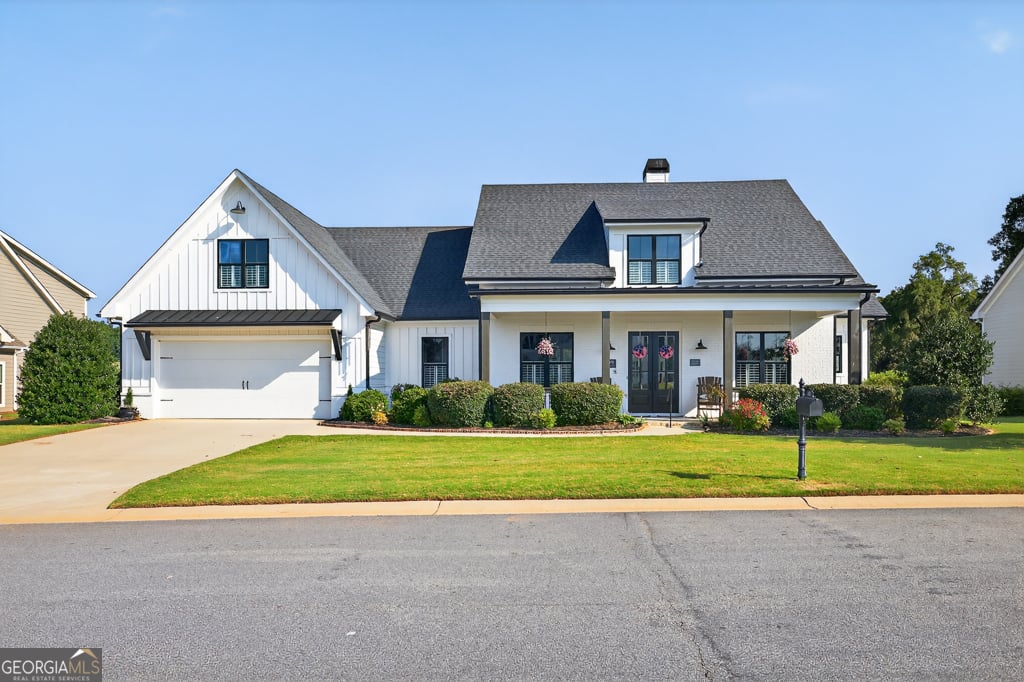
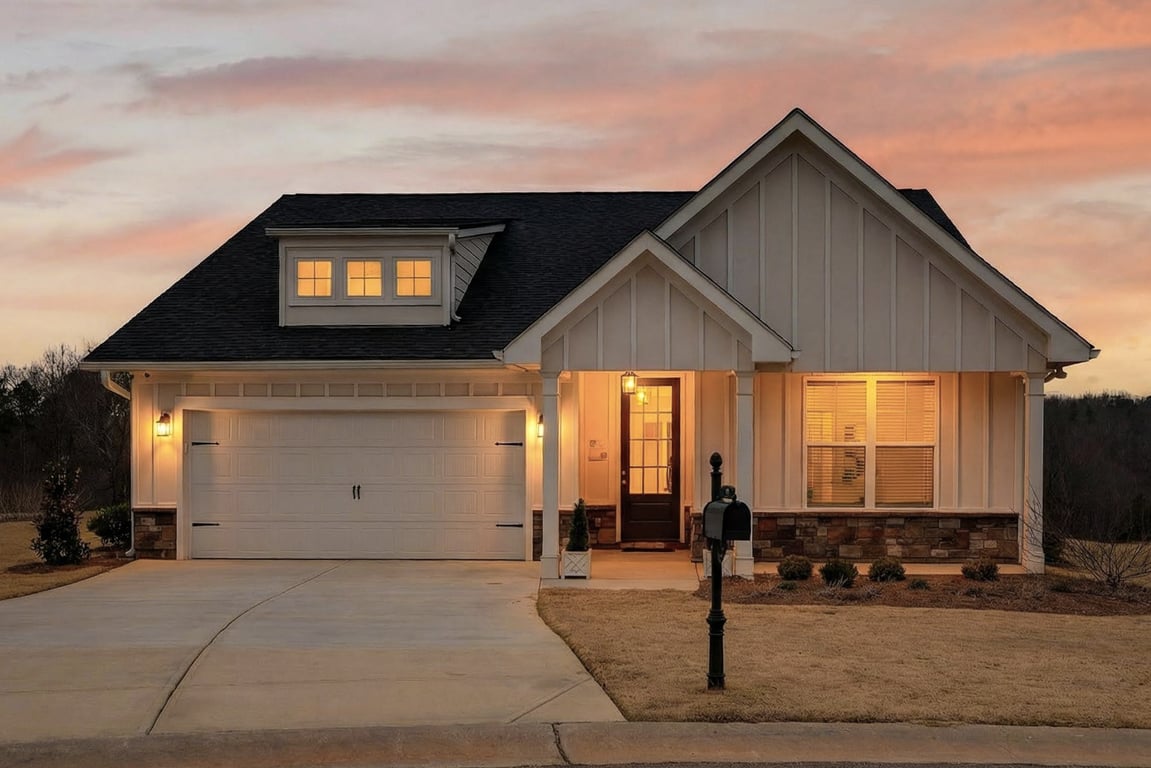
Exterior and curb appeal
- Mow, edge, and trim. Clear gutters and tidy beds.
- Refresh the front door paint and hardware if worn.
- Repair exterior lights and pressure-wash the driveway and sidewalk.
- Add seasonal potted plants for color if the yard is dormant.
- Use drone or elevated shots when helpful to show lot size and setting.
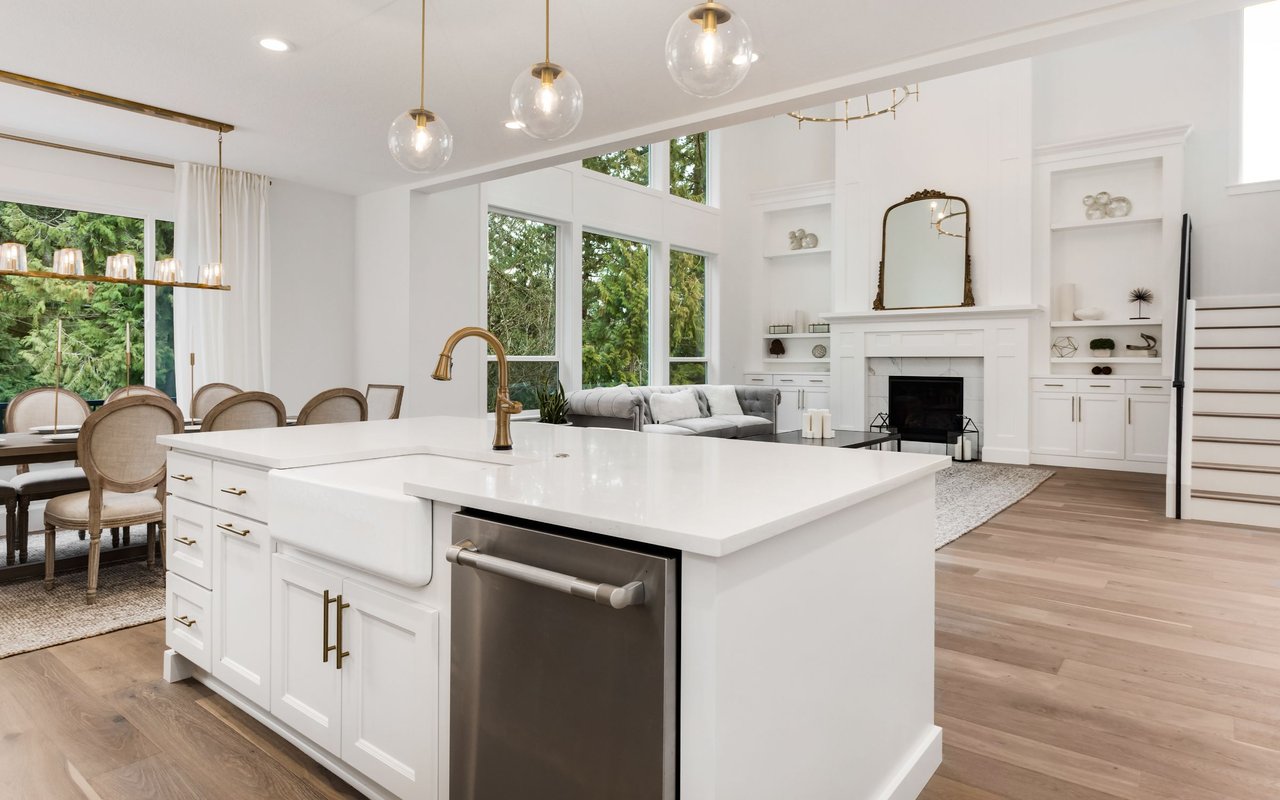
Interior staging and photo prep
- Declutter and depersonalize so rooms feel open and scale is clear.
- Deep clean kitchens, baths, and flooring. Neutral touch-up paint where needed.
- Maximize natural light. Open blinds and use warm, even lighting.
- Secure or remove pets and eliminate odors from smoking, cooking, or litter boxes.
- Consider light staging in key rooms like the living room, kitchen, and primary bedroom.
Photography and media
- Hire a professional real estate photographer for high-resolution images.
- Request a floor plan and a 360 tour or video walk-through, especially to reach out-of-town buyers.
- Provide your agent with property disclosures and utility information for the listing packet.
Showings and open houses
- Create a showing plan that fits your schedule and local patterns.
- Keep the home near “show-ready” during the active period.
- Remove valuables and follow agent protocols for safety and privacy.
- For open houses, use clear signage from main roads and confirm local signage rules with the city or county.
Market your Commerce location
Location details can raise buyer confidence. Highlight features that make everyday life easier without overselling.
- Frame I-85 access as a convenience for regional commutes and weekend trips. Instead of listing a drive time, suggest nearby routes and encourage buyers to test their commute.
- Mention proximity to the outlets as a lifestyle perk for shopping and jobs, using neutral phrasing and context from the official Tanger Outlets Commerce site.
- Note nearby parks, schools, and healthcare in neutral, factual language. Avoid value judgments or subjective claims.
- Include a neighborhood section in your listing with lifestyle photos of downtown Commerce or local parks, not as the primary property images.
If you want quick reference points for demographics and housing context, visit U.S. Census QuickFacts and select Commerce, Georgia.
Disclosures, inspections, and rules in Georgia
Being thorough and truthful builds trust and reduces risk.
- Lead-based paint. Federal law requires a lead disclosure for homes built before 1978. Review the HUD guidance on lead-based paint disclosure rules.
- Seller’s property disclosure. Georgia sellers typically complete a property disclosure form that covers known material facts. See the Georgia Real Estate Commission for consumer guidance and standards.
- Inspections. Consider a pre-listing inspection to identify issues early. Expect buyers to order a general inspection and, when relevant, termite, septic, well, or roof inspections.
- Flood zones. Confirm your flood status on the FEMA Map Service Center. If the property is in a floodplain, buyers may need flood insurance.
- Utilities. Disclose whether the home uses city water and sewer or well and septic. Provide average utility costs and provider names when available.
Taxes, HOA, permits, and closing costs
- Property taxes. Jackson County administers property taxes. Pull current statements and estimate prorations at closing through the Jackson County government website.
- Special assessments. Confirm whether any special assessments apply to your parcel.
- HOA. If your home is in an HOA, gather the governing documents, fees, and rules for buyers.
- Zoning and permits. Verify permitted uses, especially if you have outbuildings, rentals, or a home business.
- Closing timeline and costs. Many transactions close about 30 to 45 days after going under contract. Common seller costs include title-related fees by local custom, mortgage payoff, liens, prorated taxes, and any seller concessions. A local title company or real estate attorney can provide precise estimates.
Sample listing-to-close timeline
A typical sequence looks like this. Your exact path can vary.
- Pre-listing week: agent selection, CMA review, pre-listing inspection, vendor work, disclosures, photos, and media.
- Launch week: listing goes live, buyer inquiries, and first weekend showings or open house.
- Week 2 to 3: feedback-driven adjustments, additional showings, and offer review.
- Under contract: inspection period, repair negotiations, appraisal, and lender milestones.
- Clear to close: final walk-through, signing, and keys.
Quick seller checklist
- Get a data-backed CMA and define your pricing strategy.
- Decide on pre-listing inspection and complete high-impact repairs.
- Prep the home for photos and showings using the checklists above.
- Gather disclosures, utility info, HOA documents, and permits.
- Confirm flood zone status and tax details.
- Plan your move timing around a 30 to 45 day closing window.
Your next best step
You do not have to figure this out alone. If you want a clear plan, market-ready presentation, and a pricing strategy built on local data, let’s talk. Connect with Nichole Pankevich for a Free Seller Strategy tailored to your Commerce home.
FAQs
How do I find comps in Commerce, GA?
- Start with MLS-sourced sales from the last 3 to 6 months in your subdivision or a tight radius, then confirm parcel details through the Jackson County government site.
How does I-85 access affect my price?
- Proximity to I-85 can increase buyer interest for commute convenience, but very close lots may face more noise, so weigh both when pricing and marketing.
Does being near Tanger Outlets help my sale?
- The outlets can be a lifestyle and employment draw; highlight convenience using neutral language and context from the official Tanger Outlets Commerce site.
Do I need to disclose past flooding or damage?
- Yes, disclose known material facts and confirm your flood status via the FEMA Map Service Center to inform buyers about insurance needs.
Should I get a pre-listing inspection?
- It is optional but helpful; finding issues early lets you make targeted fixes and reduces surprises during buyer inspections.
What closing costs do sellers usually pay in Jackson County?
- Expect title-related fees by local custom, mortgage payoff and liens, prorated taxes, and any negotiated concessions, with timing often 30 to 45 days from contract.
How do I handle HOA documents for buyers?
- Gather the HOA’s governing documents, rules, budget, fees, and any transfer requirements early so buyers can review quickly.
Can buyers finance a home on well and septic or in a flood zone?
- Yes, many lenders finance these properties; accurate disclosures, inspection reports, and flood insurance details help keep the loan on track.