May 21, 2026
If you are selling a home near Lake Hartwell, you are not just selling bedrooms and bathrooms. You are selling a lifestyle tied to water, outdoor space, and how easily a buyer can enjoy the lake. In Hartwell, that can make a real difference in pricing, marketing, and buyer expectations. Here is what you need to know before you list. Let’s dive in.
Lake Hartwell is a major draw in the area. The U.S. Army Corps of Engineers describes it as a large and popular public recreation lake with nearly 56,000 acres of water and 962 miles of shoreline, and millions of people use its parks, marinas, and campgrounds each year.
That matters when you sell because buyers often compare more than the house itself. They may also weigh lake access, shoreline usability, views, dock setup, outdoor living space, and how the property fits into everyday lake life.
In Hartwell, local recreation messaging consistently centers on boating, fishing, swimming, paddling, camping, and time outdoors. That means a home near the lake often competes on experience as much as condition.
One of the biggest mistakes sellers make is treating all lake-adjacent homes the same. A true lakefront property, a home with a water view, and an inland home near a boat ramp may all appeal to similar buyers, but they should not be priced as if they offer the same thing.
Research cited in the report shows that buyers place a premium on lake-related value, especially for lakefront property, and that the premium tends to shrink as distance from the water increases. In plain terms, access and view can affect value, but they do not affect every home equally.
That is especially important in Hartwell’s current market. Zillow reported an average home value of $314,119 and a median list price of $356,333 as of April 30, 2026, with homes going pending in about 31 days. Realtor.com reported a median listing price of $347,000 in March 2026, a 97% sale-to-list ratio, and homes selling 2.9% below asking on average.
With buyers showing price sensitivity, your pricing needs a clear story behind it. If your home commands a premium, that premium should be supported by features buyers can see and understand.
A strong pricing strategy starts with the right comparisons. If your property has direct water frontage, it should not be lumped in with homes that are simply in the general lake area. If your home has only a seasonal view or indirect access, that should be reflected too.
This is where seller strategy matters. In a buyer-leaning market, overpricing because a home is "near the lake" can slow your momentum. A sharper approach is to compare your home to properties with similar water access, similar lot function, and similar lifestyle appeal.
Buyers often ask practical questions such as:
When your price lines up with honest answers to those questions, your listing feels more credible from the start.
Spring is often a strong time to sell, and that is especially true for a home near Lake Hartwell. Realtor.com identified April 12 through April 18 as the best week to list in 2026 based on seasonal housing patterns. Zillow also notes that late May has historically produced about a 1.7% lift for sellers, and that March through July is generally a stronger listing window.
Lake Hartwell’s seasonal activity supports that timing. According to the research report, the lake’s largemouth bass spawning period usually starts around April 1 and runs for 4 to 6 weeks, with April 1 through April 28 identified as a peak window. More broadly, spring and early summer are the seasons when the lake lifestyle is easiest for buyers to feel during a showing.
If you can list when lawns are green, porches are set, and the water-focused lifestyle is visible, your marketing has more impact. Buyers can better picture weekends outside, time on the water, and how the home lives beyond the walls.
Summer can still be a solid selling window. The market data in the report points to March through July as a favorable stretch, and lake activity stays highly visible during that time.
The key is simple: whenever you list, make sure the home looks ready for the season buyers want to enjoy. Outdoor spaces should feel usable, clean, and connected to the lifestyle your location offers.
When buyers shop near Lake Hartwell, photos and presentation should help them imagine daily life there. Standard interior photos still matter, but they should not carry the whole listing.
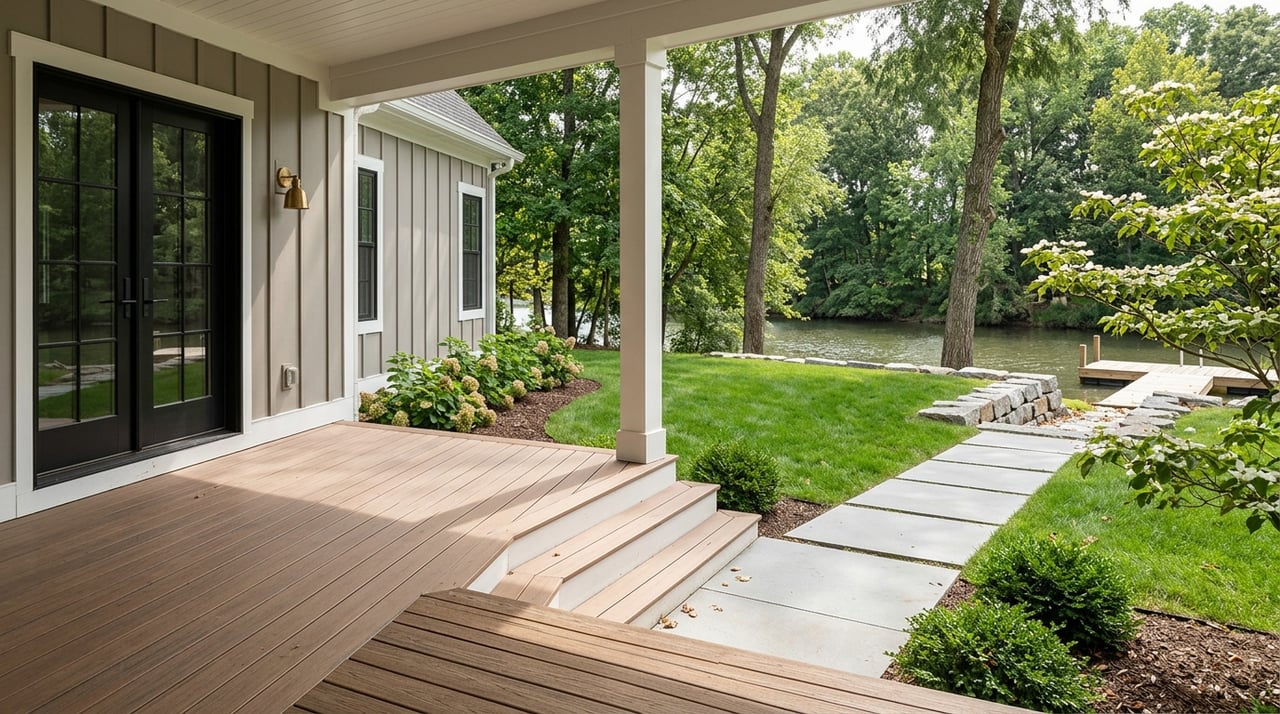
Your marketing should give equal attention to the parts of the property that connect to the lake lifestyle. That includes porches, decks, patios, screened spaces, fire pits, open yard areas, and any path toward the shoreline.
In some cases, elevated or aerial imagery can help buyers see how the home sits in relation to the water. For lake-area property, that context can be just as important as square footage.
Clarity builds trust. If a home has direct frontage, say that clearly. If it has a view but no direct access, be just as clear. If the benefit is a nearby ramp or recreation area, present that honestly instead of stretching the claim.
That is especially important on Lake Hartwell because shoreline use is regulated by the U.S. Army Corps of Engineers. Dock and shoreline improvements do not work like typical private backyard features, so buyers need accurate information.
Gather your documents early so your listing can answer buyer questions quickly and accurately. Based on the research report, helpful items include:
The Corps states that new shoreline permit applicants should be prepared to provide the recorded deed and plat. The report also notes that powered docks require a state-licensed electrician inspection every five years before permit renewal.
This is one of the most important seller essentials near Lake Hartwell. According to the U.S. Army Corps of Engineers, shoreline use permits are not transferable when a property is sold. When ownership changes, the existing permit becomes null and void, and the new owner must contact the Hartwell Project Office to obtain a new five-year permit.
The Corps also notes that some grandfathered facilities may need to be removed upon sale or transfer. That means sellers should avoid presenting a dock or shoreline feature as if it automatically passes to the buyer unchanged.
Being upfront about this does not weaken your listing. It strengthens buyer confidence because it shows that the property has been represented carefully and professionally.
Another common mistake is implying more shoreline rights than the property actually has. The research report notes that permit conditions prohibit unapproved grading, excavation, filling, or vegetation removal in the permitted area, and any changes must stay within approved plans.
For sellers, the takeaway is simple. Describe what exists today, and document what has been approved. Do not market a neat view corridor or altered shoreline as proof that future clearing or changes will be easy or allowed.
If you want to sell with fewer surprises and a stronger launch, focus on the essentials first.
Selling near Lake Hartwell is different from selling a typical inland home. The right strategy blends smart pricing, clean documentation, and marketing that shows why your property stands out. If you want a seller-focused plan built around data, presentation, and a smooth path to market, Nichole Pankevich can help.
Stay up to date on the latest real estate trends.


Selling
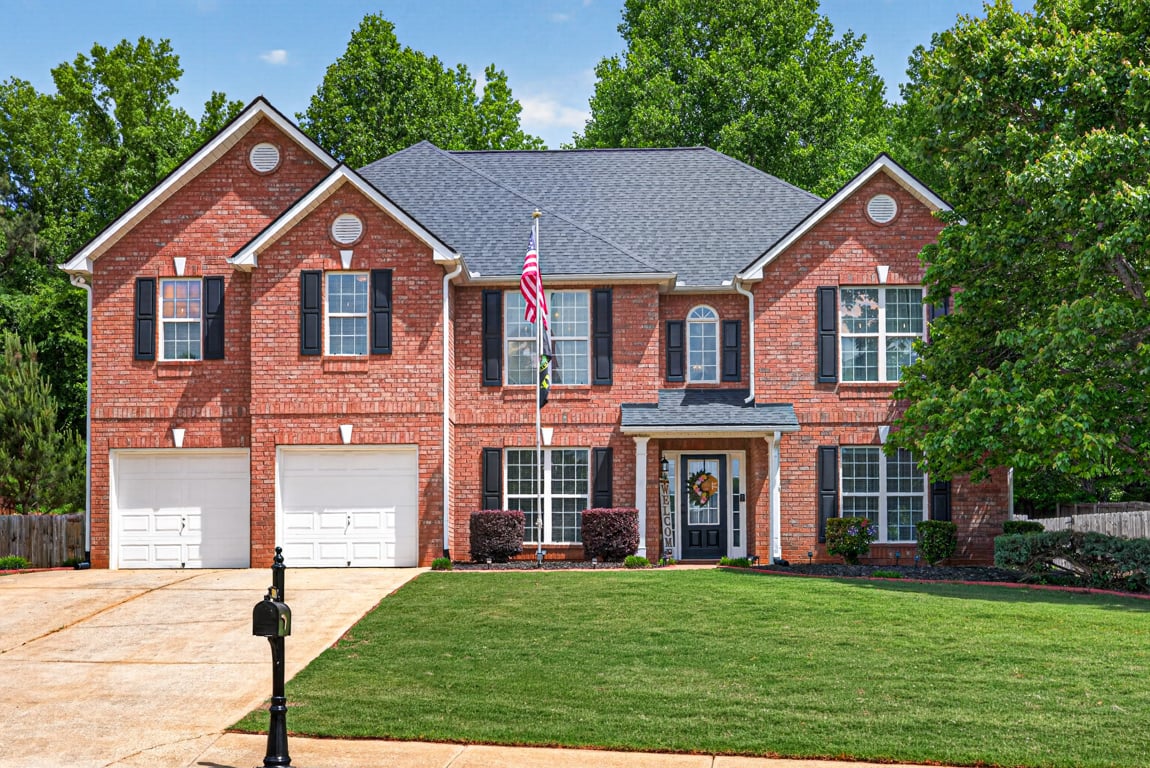
Planning to sell your Jefferson, GA home? REALTOR® Nichole Pankevich, who has sold more than 30 homes in Jefferson, shares pricing insight and marketing strategy for J… Read more
Buying
Thinking about buying a home in Jefferson, GA? Local REALTOR® Nichole Pankevich shares what to know about Jefferson City Schools, neighborhoods, and the Jackson County… Read more
Community Spotlights
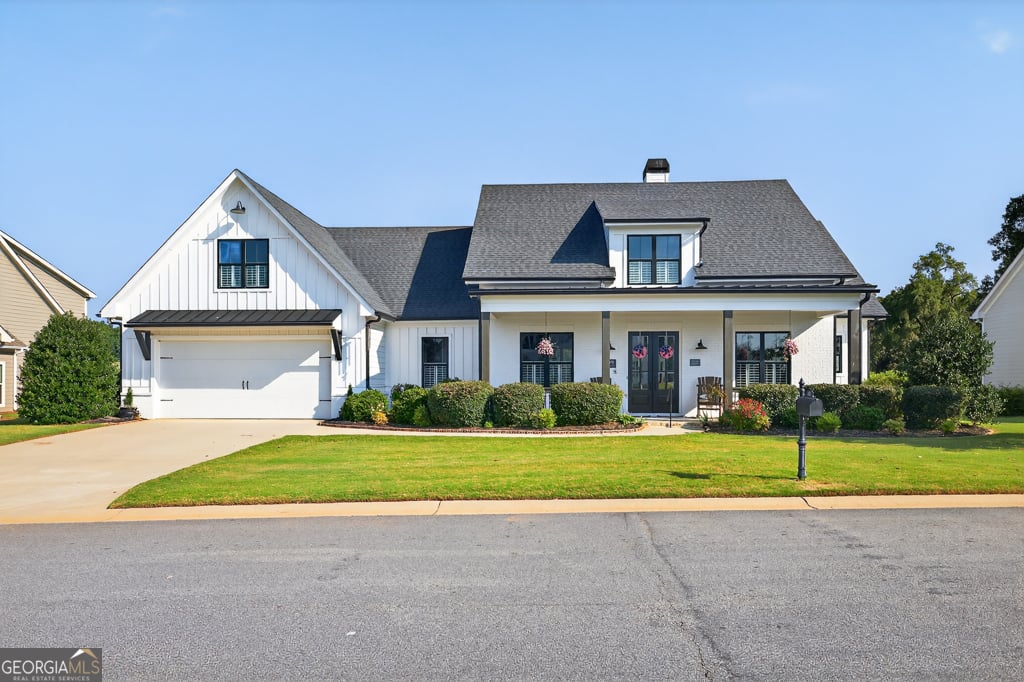
What to know about home values, marketing, and standing out in this Homer, GA golf course community
Community Spotlights
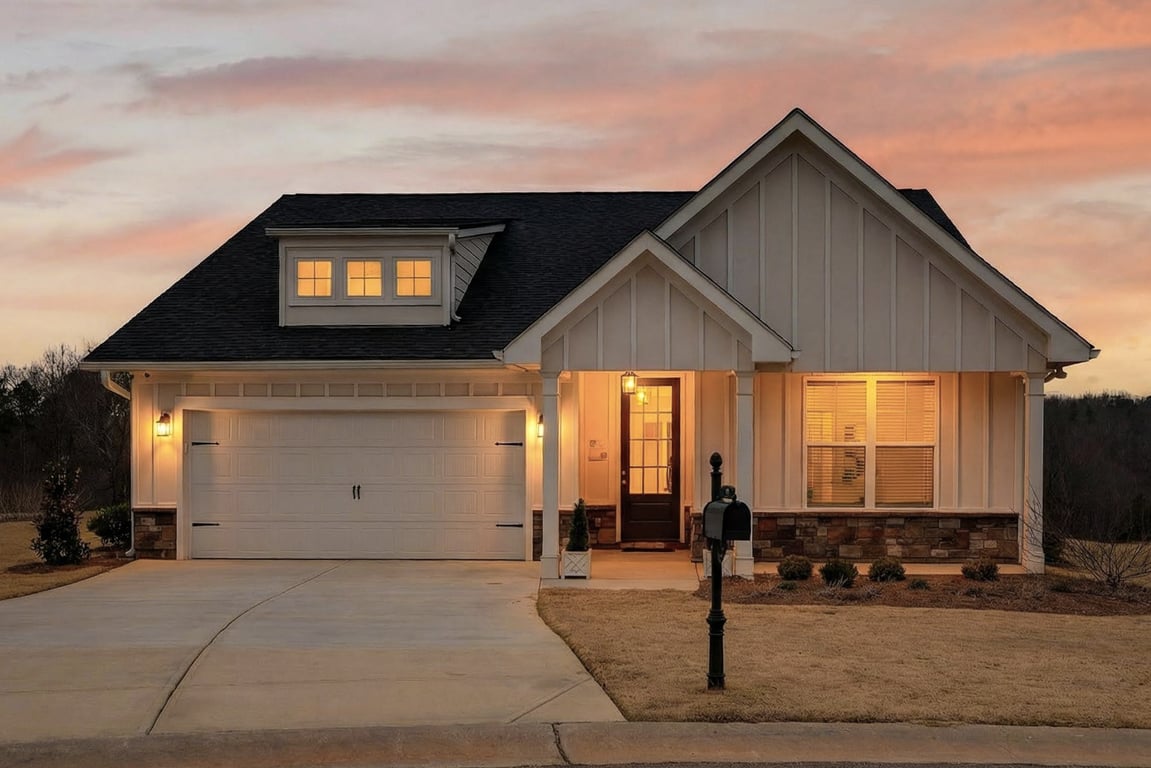
What to know about golf course living, home prices, and small-town value in Banks County
Experience thoughtful guidance and a relationship-first approach from start to finish.